What Today’s Gym Members Actually Want, and How to Give It to Them
The fitness industry is shifting. Today’s members aren’t chasing aesthetics, they’re prioritizing longevity, movement, and feeling better. Here’s what that means for your facility.
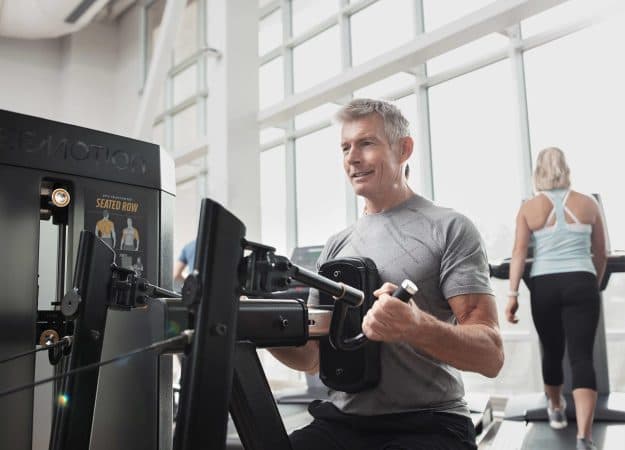
The fitness industry is shifting. Today’s members aren’t chasing aesthetics, they’re prioritizing longevity, movement, and feeling better. Here’s what that means for your facility.
The fitness industry is in the middle of a values shift. The members that walked through your doors in January and every month that followed, are not motivated by the same goals that drove gym culture a decade ago. They’re not chasing six-packs or personal records. They’re chasing something far more sustainable: feeling better, moving better, and living longer.
For gym operators and fitness facility managers, this shift is an opportunity. Facilities that understand and align with these new motivations will win more members, and keep them.
Here’s what the data and member behaviour is telling us, and how you can act on it.
The Motivation Has Changed
Ask a new member why they joined and you’ll hear the same themes over and over: stress, stiffness, fatigue, and a desire to protect their health for the long haul. The peak-month joiners, those who signed up in January, consistently report motivations centred around:
Less stress and better mental health
Improved movement and flexibility
More daily energy
Health that lasts, not short-term transformation
Facilities that align their programming, marketing, and floor design with these motivations are the ones converting trials into long-term memberships.
Trend 1: Stress Release Is a Primary Driver
Mental wellbeing is no longer a niche offering, it’s a mainstream membership expectation. Members want a place to decompress, not just a place to push hard.
What this means for your facility
Consider creating a dedicated wellbeing zone with accessible, self-guided sessions designed to help members switch off and de-stress. Low-barrier, low-intensity options are not just a nice touch, they are a retention tool. Short, low-effort routines increase visit frequency, particularly in the first critical weeks of a new membership, and they remove the intimidation factor that causes so many members to stop coming back.
The key insight: Consistency builds the habit. The habit builds the member.
Trend 2: Mobility Is the New Muscle
Your members spend hours sitting at desks, commuting, and carrying tension in their bodies. They come to you not necessarily to get bigger or faster, they want to move without pain, carry their groceries without wincing, and feel capable in everyday life.
Training that improves movement quality, reduces tightness, and makes daily tasks easier is one of the most powerful things a gym can offer, and it’s still underrepresented on most facility floors.
What this means for your facility
Mobility-led spaces are a major draw for new members who feel intimidated by traditional strength areas. By carving out dedicated space for mobility and functional movement, you signal to this growing segment that your facility is for them, not just for athletes.
Movement that supports real life keeps members coming back. That’s the retention equation.
Trend 3: Guided Content Builds Confidence and Loyalty
One of the biggest barriers to gym retention is not motivation, it’s uncertainty. Members, especially new ones, often don’t know what to do when they arrive. If they can’t follow a clear path, they lose confidence and stop showing up.
Offering workouts that members can follow independently, without requiring an instructor or a PT session, is one of the most effective ways to increase visit frequency in the first month. Guided digital content that builds from session to session creates a sense of progress, which is the foundation of habit formation.
What this means for your facility
Technology-enabled, self-guided workout options on the gym floor keep members engaged and returning during that critical first four-week window, the period where the majority of churn decisions are made.
Trend 4: Long-Term Health Over Short-Term Pressure
The ‘new year, new you’ pressure-cooker approach to January marketing has a short shelf life. Members who join under the weight of a transformation promise often leave when the results don’t match the expectation. The smarter play is to reframe your offering around longevity.
Training that focuses on posture, injury prevention, functional strength, and long-term health outcomes is not just more aligned with what members actually want, it creates the kind of sustainable progress that keeps people coming back for years, not weeks.
Members stay longer when they feel long-term benefits rather than short-term pressure. Shift your language and your programming to reflect this, and your retention numbers will follow.
Bringing It Together: The Tools to Deliver Every Solution
The trends above are not independent, they are interconnected. The member who wants less stress also wants better mobility. The member who needs more energy also needs a consistent habit. The good news is that addressing all four requires the right equipment and programming ecosystem, not a complete facility overhaul.
Freemotion is built to give operators the tools to deliver every one of these solutions:
iFit for mental health support, guided mobility sessions, and daily consistency
Reformer Pilates for accessible flexibility and core strength
Functional movement equipment for long-term health and real-world strength
One ecosystem. Every motivation covered.
The Operator Checklist
Ready to convert free trials and tours, retain new members, and grow revenue per member?
Talk to the Freemotion team about building these solutions directly into your gym floor.
Get in touch with the Freemotion team.